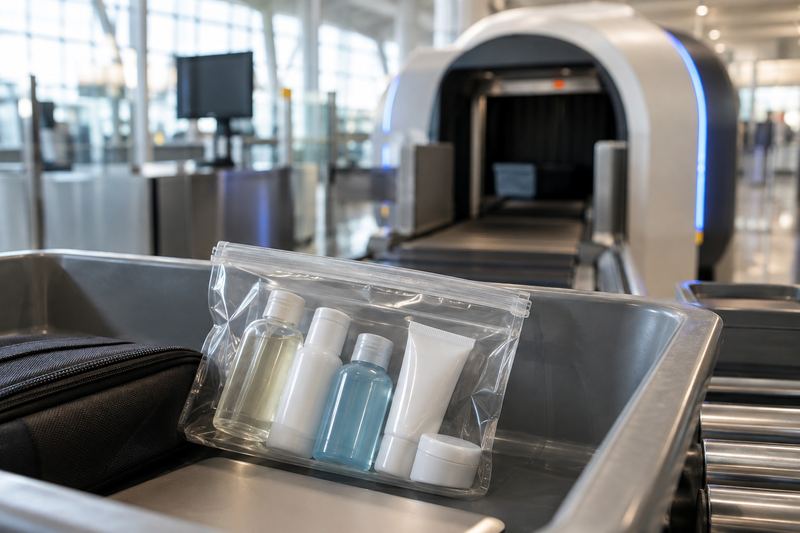
Yes, you can bring food on international flights, but two separate checks apply. Security only limits liquid and spreadable foods to 100 ml (3.4 oz). Customs and biosecurity at your destination decide what can enter the country. Many countries ban fresh fruit, meat or dairy, and most require you to declare all food you carry.
Key facts
- Security: solid food is allowed; liquid, gel or spreadable food must be 3.4 oz (100 ml) per container in carry-on.
- United States: declare all meats, fruits, vegetables, plants and animal products to CBP. Undeclared prohibited items can mean a first-offense penalty of up to $1,000.
- UK and EU: meat and dairy from outside the EU are banned, apart from up to 2 kg of infant milk, infant food or medical foods.
- New Zealand: failing to declare risk goods can bring an instant NZ$400 fine.
- Japan: meat products such as jerky, ham and sausages need an export inspection certificate, even as gifts.
What's the difference between security and customs for food?
Security screening happens before you board and is about flight safety. Customs and biosecurity checks happen when you land and are about keeping pests and animal diseases out of a country. Passing one doesn't mean you'll pass the other.
- At security, a sandwich, an apple or a bag of jerky is fine. Soup, yogurt, hummus, jam and peanut butter count as liquids or gels. See our food item page for the full TSA rules.
- On arrival, that same apple or jerky may be prohibited, and failing to declare it can cost you a fine.
Can I bring food into the US?
Some, but you must declare it. US Customs and Border Protection (CBP) requires you to declare all meats, fruits, vegetables, plants and animal products on the customs declaration (CBP Form 6059B, or the electronic equivalent). A CBP officer or agriculture specialist then decides what you can keep.
What's typically a problem:
- Fresh fruit and vegetables. Many are prohibited, and travelers from Mexico need permits for many fruits, including mangoes, apples, oranges and stone fruit. See fresh fruit.
- Meat. Many fresh, dried and some canned meats are banned, including products made with them, such as beef broth.
Declaring is what protects you. The penalties are for prohibited items you don't declare: they are confiscated and can bring a civil penalty of up to $1,000 for a first non-commercial offense. When in doubt, declare it.
What about Hawaii and Puerto Rico?
These are domestic flights, but the USDA runs an agriculture check before you leave.
- Hawaii to the mainland, Alaska or Guam: all food and plants must be presented for USDA inspection before departure. Most fresh fruits and vegetables are prohibited. Pineapple and coconut are allowed after inspection. Papaya, banana and lychee are allowed only if treated at a USDA-approved facility and sealed in marked boxes. Roasted or green coffee beans are allowed after inspection.
- Puerto Rico and the US Virgin Islands to the mainland: USDA inspects before departure, and only produce on the allowed list, such as avocado, banana, pineapple and citrus, may travel.
Eat fresh fruit before you get to the airport, or check the USDA list first.
Do I have to declare food in Canada?
Yes. Arriving in Canada, you must declare all food, plant and animal products to the Canada Border Services Agency (CBSA). Undeclared items can be confiscated, and you may be fined or prosecuted. Some products are prohibited because they can carry pests or diseases, and the CFIA's import tool lists current requirements. Food above the personal limits set by Global Affairs Canada can attract duty of 150% to 300% unless you have an import permit.
At Canadian security, non-solid foods such as yogurt, pudding, jam and peanut butter must be 100 ml or less in your 1-litre bag. More on our Canada page.
Can I bring food into the UK or EU?
Bread, biscuits and chocolate are usually fine. Meat and dairy are the problem.
| Arriving from | Meat and dairy | Exceptions |
|---|---|---|
| Outside the EU, into Great Britain | Prohibited | Up to 2 kg per person of powdered infant milk, infant food or medical special food; fish up to 20 kg |
| EU, Switzerland, Norway and similar, into Great Britain | Most meat and all dairy prohibited (for example cheese, milk, butter, pork, beef, lamb) | Fish, poultry, eggs and honey for personal use |
| Outside the EU, into the EU | Meat, milk and products made from them prohibited | Up to 2 kg in total of infant milk, infant food or medical foods (branded, unopened unless in use, no refrigeration needed before opening); fish up to 20 kg; other animal products such as honey up to 2 kg |
In the UK, a meat or cheese sandwich is not allowed in from any country, even though it passed security. EU limits don't apply to travel between member states or from Andorra, Iceland, Liechtenstein, Norway, San Marino or Switzerland. See our UK and EU pages.
What are the food rules for Australia and New Zealand?
Both run some of the strictest biosecurity checks anywhere. The safe habit is to declare every food item.
Australia
Declare all food, animal products and plant material, including wooden items, on your Incoming Passenger Card, or drop them in the bins at the airport. Biosecurity officers inspect declared goods. Those goods may be returned, treated, exported or destroyed. A false or misleading declaration can lead to an infringement notice of up to A$6,260, civil or criminal proceedings, and cancellation of your visa. Details on our Australia page.
New Zealand
Every arriving traveler fills in the New Zealand Traveller Declaration. You must declare all food, animal products and plants, even small amounts and cooking ingredients. Failing to declare risk goods, even by accident, can bring an instant NZ$400 fine. Smuggling can lead to fines of up to NZ$100,000, up to five years in prison or deportation. Amnesty bins let you drop undeclared items before you reach the officers. Used hiking, camping and fishing gear must be declared too. See our New Zealand page.
Can I bring meat products into Japan?
Generally no. Meat products such as jerky, ham, sausages, bacon and meat buns can't enter Japan without an inspection certificate from the exporting country's government, even for personal use or as gifts. Animal products must go through the Animal Quarantine Service counter in baggage claim. Undeclared meat products can be seized, and offenders may be arrested, fined or imprisoned. More on our Japan page.
How to pack food for an international trip
- Pack shelf-stable, factory-sealed snacks rather than fresh produce, meat or cheese.
- Finish fresh fruit and sandwiches on the plane, or leave them behind before customs.
- Keep food together near the top of your bag; security may screen it separately.
- Keep the original packaging and labels so officers can see what a product is.
- Traveling with a baby? Formula and baby food have their own security allowances. See baby formula.
- If you're unsure, declare. Fines target undeclared items.
Questions people ask
Can you bring food on international flights?
Yes. Solid food passes security, and liquid or spreadable food in carry-on must be 100 ml (3.4 oz) or less per container. What you can take off the plane depends on your destination's customs rules.
Do I have to declare snacks at US customs?
CBP requires you to declare meats, fruits, vegetables, plants and animal products. If you aren't sure whether a snack counts, declare it, since penalties apply only to undeclared prohibited items.
What happens if I forget to declare an apple?
In the US, an undeclared prohibited item can bring a first-offense penalty of up to $1,000. In New Zealand it can mean an instant NZ$400 fine.
Can I bring cheese into the UK?
No. Dairy such as cheese, milk, butter and yogurt is prohibited in personal baggage arriving in Great Britain, whether you come from inside or outside the EU.
Can I bring baby formula into the EU?
Yes, up to 2 kg in total of powdered infant milk or infant food, in branded packaging that's unopened unless in use and doesn't need refrigeration before opening.
Sources
- CBP: Bringing agricultural products into the United States
- USDA APHIS: Travelers from Hawaii to the US mainland, Alaska or Guam
- USDA APHIS: Travel to the US from Puerto Rico and the US Virgin Islands
- TSA: Snacks
- TSA: What is the 3-1-1 liquids rule?
- CBSA: Declare to the CBSA
- CATSA: Liquids, non-solid food and personal items
- GOV.UK: Bringing food into Great Britain, meat, dairy, fish and animal products
- European Commission: About personal imports
- Australian Department of Agriculture: Travelling or arriving in Australia
- New Zealand MPI: How to declare items when arriving in NZ
- MAFF Animal Quarantine Service: Bringing animal products into Japan